
Category: Commercial

  • What is Voluntary Damage to Property of Others?

    What is Voluntary Damage to Property of Others?

    Voluntary Damage to Property of Others is a commercial insurance policy endorsement that extends coverage to the property of others in the care of the insured, away from the insured’s premises. This optional endorsement helps close the coverage gap for contractors working in someones home and is ideal for the handy man or any remodeler. If a contractor has the potential to damage a customers property through the course of their normal work, then this coverage is highly recommended.

    This endorsement helps cover damage caused by the insured to a clients property. For example, if a painter damages a nice wood floor with their scaffolding, this coverage would kick in to help with repairs. The coverage also provides benefit regardless of fault. It’s a tool used by contractors to ‘keep the peace’ and protect their reputation.

    What happens if you don’t have a voluntary property damage endorsement on your commercial insurance policy?

    A typical standard commercial liability policy will only pay out if the insured is found legally liable for damages. So, insurance will not cover damages unless the insured can be proven negligent. Think of the voluntary property damage endorsement as a ‘goodwill’ coverage that helps protect a clients reputation and relationship.

    One thing to note, Voluntary Property Damage typically has a much lower limit than general liability. Typical general liability on a commercial policy may be $1m/$2m but through a carrier like Auto-Owners, their Premier Contractor Program only covers up to $5,000 per occurrence or $25,000 aggregate.

    Voluntary Property Damage or VPD is just another tool in the insurance tool belt to help contractors grow and keep their customers happy. As always, give me a call or text to get a free no obligation quote on your commercial insurance coverage.

  • Lawncare Companies Evansville, IN

    Lawncare Companies Evansville, IN

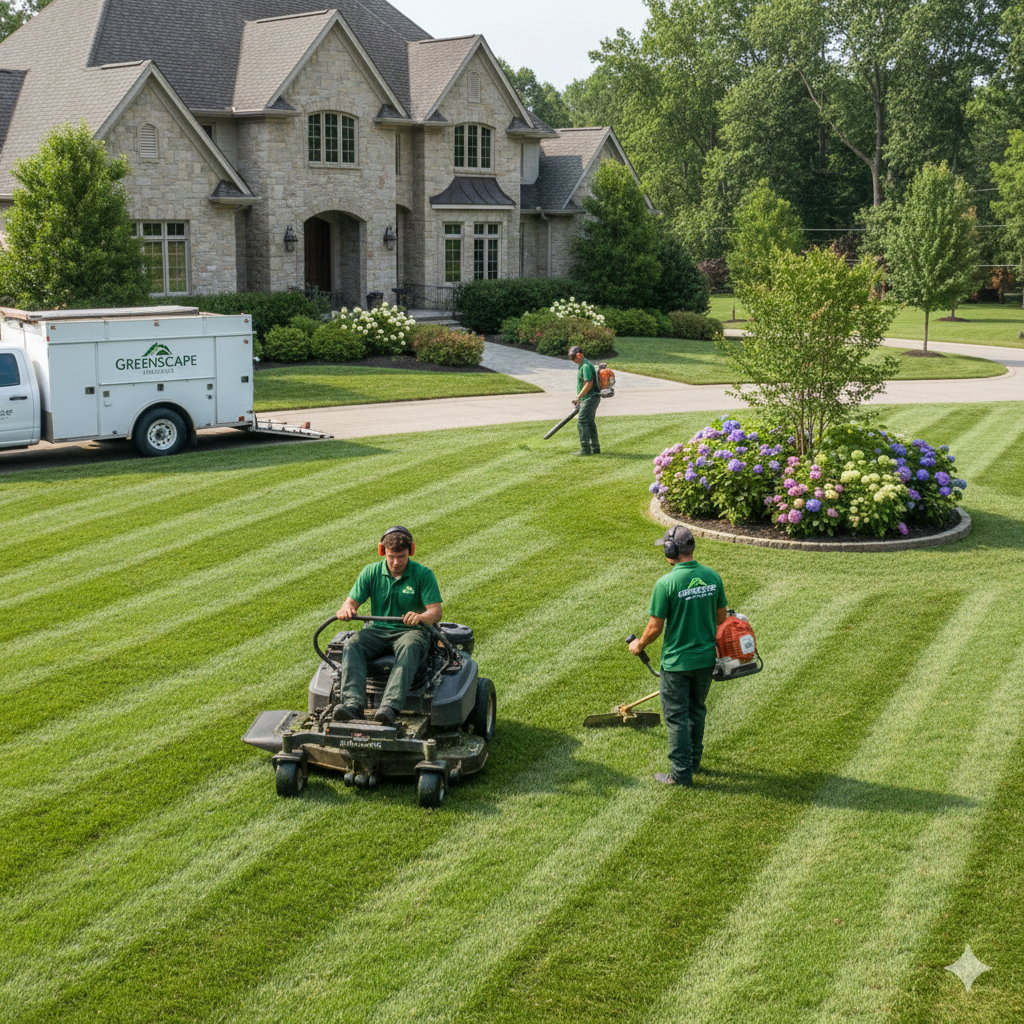
    As of this post, it’s almost 70 degrees in December, so all bets are off on how busy lawn companies are in Vanderburgh County. However, this is typically the time of year when a mowing company in Evansville can take a break, relax, and maybe catch up on the business side of things. That’s why I’m reaching out to local businesses, now is the time to review your insurance policies!

    What drives the cost of lawncare insurance?

    It usually boils down to what work you actually do and how much time you will spend on customers property. Liability rates will change for those who only do lawn mowing, versus companies that provide services like tree trimming. The risks change and so does the premium. Those who also have more employees have higher risk that will raise premiums.

    When getting a quote on lawncare or mowing liability insurance, it’s important to be as detailed with your insurance agent as possible. The type of equipment you use can impact your rates, whether walk behind, riding mowers, or zero turns, the details will make the difference.

    Don’t forget about your automotive exposure as well. When starting it’s common for lawn care owners to use their own personal vehicles for transporting lawnmowers and workers. This is ok to do, as long as you have the proper business use endorsements. However, it’s best to carry a separate commercial auto policy depending on your situation.

    I’m Chris Davidson and I’m happy to discuss your risks and insurance needs in the Evansville, IN area. New businesses or old, if you don’t know your agent or it’s been awhile, its probably time for a review. Give me a call to get started! I’m happy to quote and review lawncare insurance including general liability, workers compensation and commercial automotive.

  • Commercial Insurance Policy Audit Tips

    Commercial Insurance Policy Audit Tips

    A necessary part of commercial insurance is the inevitable audit. Every company is different, but these few tips should help you save time and money on your next insurance audit. Remember, with good documentation most insurance audits should not last longer than 30 minutes!

    Documentation

    Keep proper payroll records and have them readily available when your current policy is set to renew. Along with payroll, have good documentation on how many hours, days, weeks your employees were working.

    Keep an accurate sales journal indicating all the items that you sold rented or leased during the policy year. Don’t forget to include monies spent on repairs! A good sales journal will also keep tax dollars separate, to properly exclude from potential premium changes.

    Subcontractor

    It’s important to keep all certificates of insurance on file for any subcontractors used during the commercial insurance policy year. This is very important, because you will be charged for employees of those subcontractors not providing certificates as though they
    were your employees. Save yourself an audit headache and ask for the certificates before work begins.

    Save on Premium

    If you have employees that earn tips, be sure to track those dollars separate. During the audit provide documentation showing that the tips are not included in the employees gross payroll.

    Have employees that ONLY drive? Keeping their salary separate and documented can help on your general liability exposure. However, this must be documented and their salary separated.

    Why am I having an audit?

    Commercial insurance premiums are generated based on assumptions of your business. Your yearly premium for general liability, garage liability, workers compensation and umbrella are typically based off of an estimate of exposures like payroll and sales. Businesses will grow or fall during a policy period, so an audit is a way for insurers to remain competitive if a discount is required or additional premium cost. Remember, documentation saves time and money!

    If you have a commercial insurance policy question, be sure to give me, Christopher Davidson a call!